
Closed Circuit Television (CCTV) systems are a vital part of modern security infrastructures. These systems are widely used for surveillance purposes, providing real-time monitoring and playback of events in various locations. Whether you’re looking to secure your home, business, or public spaces, understanding CCTV systems and their operation is crucial.
This article offers a comprehensive guide on preparing for the CCTV certification exam, which tests your knowledge and ability to design, install, maintain, and troubleshoot CCTV systems. By following this guide, you’ll be better equipped to pass the CCTV test and become a certified professional in the field.
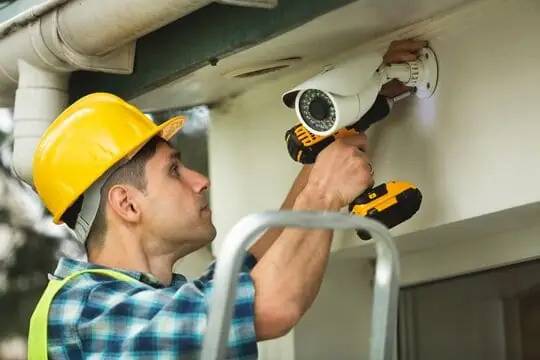
What is CCTV?
CCTV, or Closed Circuit Television, refers to a system of video cameras used for surveillance and security purposes. Unlike broadcast television, CCTV signals are transmitted to a specific set of monitors, creating a closed-loop system. This allows businesses, homeowners, and public authorities to monitor specific locations to ensure safety and prevent criminal activity.
CCTV systems have evolved significantly over the years, with advancements in technology leading to higher-definition cameras, more robust monitoring software, and easier integration with other security systems. These systems are often used in environments such as office buildings, retail stores, schools, public spaces, and industrial areas.
The Importance of CCTV Certification
Obtaining a CCTV certification is essential for professionals seeking to validate their skills and knowledge in this field. Certification ensures that you have a comprehensive understanding of CCTV systems, including their installation, operation, and troubleshooting.
A certified CCTV professional is not only more likely to be trusted with the responsibility of securing valuable assets but can also command higher salaries and better job opportunities. Furthermore, a recognized certification proves that you adhere to industry standards and have a deep understanding of the systems you’re working with.
How to Prepare for the CCTV Test
Study the Relevant Materials
Invest time in studying the relevant study guides, textbooks, and reference materials. This will help you build a strong foundation in CCTV systems and prepare you for the various questions on the test.Use Practice Tests
Practice tests are an essential tool for exam preparation. They simulate the format and difficulty of the actual exam, allowing you to familiarize yourself with the types of questions you may encounter. Practice tests will also help you gauge your readiness for the exam.You can access comprehensive CCTV practice exams at CCTV prep exam to test your knowledge and improve your skills.
Hands-On Practice
The best way to learn about CCTV systems is by working with them directly. If possible, try to get hands-on experience by assisting with installations, troubleshooting, and maintenance of CCTV systems. This will give you practical knowledge that will be invaluable during the exam.Join Study Groups
Joining a study group can provide additional insights and help you stay motivated. You can learn from others, ask questions, and share resources to improve your understanding of CCTV systems.

The CCTV Test: What You Need to Know
The CCTV certification test assesses your competence in various aspects of CCTV systems, including:
System Design and Planning
You’ll be tested on your ability to design an effective CCTV system for a range of environments. This includes selecting appropriate cameras, determining optimal camera placement, and ensuring that the system is compatible with other security components.Installation and Setup
This section focuses on your understanding of installation procedures, wiring, and ensuring that all components are functioning properly. You’ll need to demonstrate knowledge of the proper installation techniques for cameras, recorders, and other essential components.Maintenance and Troubleshooting
As with any technology, CCTV systems require maintenance to remain effective. The exam will assess your ability to perform routine maintenance and troubleshooting to keep systems running smoothly and fix issues as they arise.Legal and Ethical Considerations
CCTV surveillance comes with privacy concerns and legal implications. You’ll need to understand the legal framework regarding surveillance in different regions and industries. This section will test your knowledge of the regulations governing CCTV usage, including privacy rights and data protection.Security Integration
Modern CCTV systems are often integrated with other security technologies, such as alarm systems, access control, and analytics software. You’ll be assessed on your ability to integrate CCTV into a broader security infrastructure to maximize the system’s effectiveness.
Study Resources for Additional Learning
For further information on CCTV certifications and exam prep, visit the following useful resources:
These resources offer valuable tools for preparing for the CCTV test, including study guides, practice tests, and additional certifications that can boost your career in the security industry.
Key Topics for CCTV Test Preparation
To excel in the CCTV certification exam, focus on the following key areas:
Camera Types
Learn about different types of cameras, such as dome cameras, bullet cameras, PTZ (pan-tilt-zoom) cameras, and IP cameras. Each type has specific advantages and is suited for different environments.Camera Resolution
Understanding camera resolution is crucial for selecting the right camera for a job. Higher resolutions provide clearer images, which can be essential for identifying suspects or incidents.Recording and Storage
Be familiar with various recording methods and storage options, such as DVR (Digital Video Recorder), NVR (Network Video Recorder), and cloud storage. Knowing the pros and cons of each system will help you design and recommend the best solutions.Wiring and Connectivity
The wiring and connectivity of a CCTV system are crucial for its performance. Learn the different types of cables and connectors, including coaxial cables and Ethernet cables, and their respective use cases.Software and Analytics
Many modern CCTV systems come with advanced software and analytics that enhance the functionality of the system. Be prepared to answer questions about how to configure and use software for viewing, recording, and analyzing video footage.Security Threats and Vulnerabilities
As security systems become more integrated with networks, cybersecurity becomes increasingly important. Familiarize yourself with potential threats, such as hacking and data breaches, and how to protect CCTV systems from such vulnerabilities.

Conclusion
Achieving certification in CCTV systems can open up numerous career opportunities in security and surveillance. By understanding the components, installation, and maintenance of CCTV systems, you will be equipped to pass the CCTV certification exam with ease. Study diligently, use practice tests, and get hands-on experience to ensure you are well-prepared for success.
Remember, proper preparation is key, and with the right tools and knowledge, you can excel in the CCTV certification exam and advance your career in security technology.