
The OUPV (Operator Uninspected Passenger Vessel) test is a critical exam for individuals aiming to operate uninspected passenger vessels in the United States. This certification is required by the U.S. Coast Guard (USCG) for anyone wishing to operate commercial vessels that carry passengers for hire, but are not subject to the same regulatory oversight as inspected vessels. If you are looking to obtain your OUPV license, understanding the test and preparing effectively is key to passing.
This article provides an in-depth guide on the OUPV test, including its purpose, requirements, study tips, and how you can best prepare for the exam. With proper preparation, you can pass the OUPV test and start your career as a certified captain for uninspected passenger vessels.
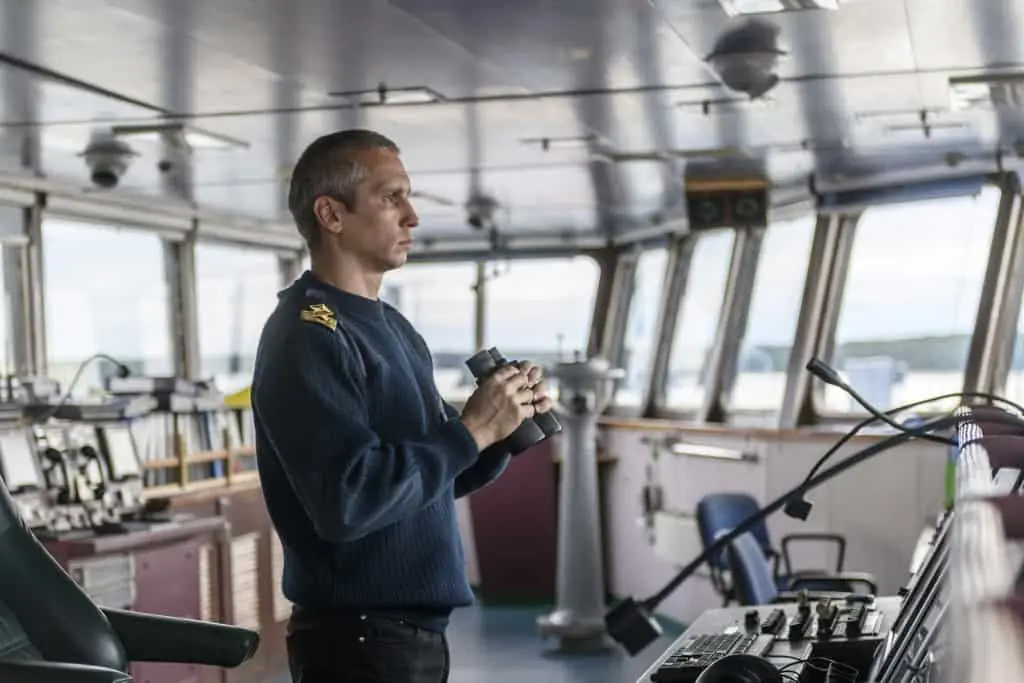
What is the OUPV Test?
The OUPV exam, also known as the “six-pack” license, allows individuals to operate uninspected passenger vessels, including small cruise boats, fishing boats, and other similar vessels. The test ensures that operators have the necessary knowledge to safely navigate and operate such vessels.
Uninspected passenger vessels are those that carry no more than six passengers. However, these vessels are still subject to specific rules and regulations set by the USCG to ensure safe operation. Obtaining the OUPV license qualifies you to carry passengers on certain commercial vessels, whether you’re offering sightseeing tours, fishing charters, or other services.
OUPV License Requirements
Before taking the OUPV test, there are certain eligibility requirements that must be met:
Age Requirement: You must be at least 18 years old to apply for the OUPV license.
Sea Service: The USCG requires a specific amount of sea service, which typically involves 360 days of experience on the water, including at least 90 days in the past three years.
Physical and Medical Standards: You must pass a physical examination and meet medical standards set by the USCG to ensure that you are fit for duty on the water.
Background Check: A background check will be conducted, and you must have no significant criminal convictions.
Training and Education: While you don’t necessarily need formal education beyond high school, taking relevant courses in marine navigation, safety, and operation is highly recommended.
Once all requirements are met, you can apply for the OUPV license, which includes passing the written test.
Study Tips for the OUPV Test
Successfully passing the OUPV test requires dedicated study and preparation. Here are some useful tips to help you prepare for the exam:
Take an OUPV Practice Test: A great way to familiarize yourself with the test format and question style is by taking practice tests. You can find a variety of OUPV test questions online, which will help you get a sense of what to expect on the actual exam. OUPV test questions are available to help you test your knowledge and identify areas that may need further review.
Study the U.S. Coast Guard’s Manual: The USCG publishes manuals and guidelines that outline the requirements for the OUPV license. Familiarize yourself with the content of these manuals to ensure you have a solid understanding of the test material.
Use Online Study Materials: There are many online resources available that provide practice exams, study guides, and instructional videos. Practice tests or exam prep resources are helpful for reviewing important topics and improving your confidence.
Join a Study Group: Joining a study group with other individuals preparing for the OUPV exam can be a valuable way to share knowledge and discuss complex topics.
Take a Course: If you’re looking for more structured learning, consider enrolling in a USCG-approved OUPV course. These courses often include hands-on training and classroom instruction to help you prepare for both the written and practical components of the exam.
Review the Navigation Rules: Understanding the International and Inland Rules of the Road is crucial for the OUPV test. These rules govern how vessels must interact to avoid collisions at sea, so mastering them is key to passing the exam.

OUPV Test Format
The OUPV test is a comprehensive exam that covers a wide range of topics to assess your knowledge of marine operations. The test consists of multiple-choice questions based on the following key areas:
Navigation: Understanding charts, navigational aids, and the principles of navigation.
Rules of the Road: The international and inland rules for preventing collisions at sea.
Safety Equipment: Knowledge of safety regulations, required safety equipment, and emergency procedures.
Weather and Tides: Understanding weather patterns, tidal effects, and their impact on navigation.
Boat Handling: Techniques for safe and effective boat handling, including docking, maneuvering, and anchoring.
Maritime Law: Knowledge of U.S. maritime law, including the responsibilities of a vessel operator, the rights of passengers, and environmental regulations.
The test typically consists of 100 questions, and you must score at least 70% to pass.
How to Apply for the OUPV Test
Once you’ve completed the required sea service and preparation, the next step is to apply for the OUPV test. Here’s how you can apply:
Complete the Application: Visit the USCG website and complete the application for an OUPV license. You’ll need to provide information about your sea service, medical history, and background.
Submit Your Documentation: Submit proof of sea service, your medical exam results, and a copy of your background check. Be prepared to provide other documents as needed.
Schedule the Test: Once your application is approved, you can schedule the test at a USCG-approved testing center. Many centers also offer online testing options for your convenience.
Take the Exam: On test day, be sure to bring all required documents and arrive early to ensure you have enough time to review any last-minute material.
Related Certifications and Resources
If you’re interested in expanding your maritime career, there are several related certifications that may interest you:
SVOP Test: This test is for individuals looking to operate small passenger vessels, providing the certification needed to navigate near-shore waters. SVOP Test provides a great foundation for those who want to further their maritime careers.
Ship Driver Certification: This certification focuses on the technical skills required to operate a wide variety of vessels safely. Ship Driver Test is essential for those seeking more advanced vessel operation roles.
What Happens After You Pass the OUPV Test?
Once you pass the OUPV test, you can submit your results to the USCG to receive your OUPV license. After receiving your license, you’ll be legally allowed to operate uninspected passenger vessels, provided that you adhere to all applicable laws and regulations.
In addition to the OUPV license, you may need additional endorsements if you plan to operate vessels over a certain size or in specific conditions (such as near-shore operations or while carrying hazardous materials).

Conclusion
The OUPV test is a vital step for those looking to operate uninspected passenger vessels in the U.S. By understanding the test requirements, studying effectively, and utilizing practice tests, you can increase your chances of passing the exam and obtaining your OUPV license.
To get started on your journey, check out some practice tests and explore the resources available to guide you through the preparation process. With commitment and the right preparation, you can set sail toward a successful maritime career.